Imagine waking up to a strange sound, walking downstairs, and stepping into a flooded basement. You look around in a panic, and there it is. Your water heater has failed. Not just a tiny drip, but a full-blown rupture, spewing hot water everywhere.
If this hasn’t happened to you, consider yourself lucky. But it’s more common than you might think—especially in areas like Salt Lake City, where hard water and temperature extremes can take a toll on your plumbing systems.
In this blog post, we’ll cover everything you need to know about water heater ruptures—what they are, what causes them, how to prevent them, and what to do if one ever happens in your home. Whether your unit is a few years old or pushing a decade, this guide will help you protect your home, save money, and avoid disaster.
What Is a Water Heater Rupture?
Let’s get clear on the basics. A water heater rupture is a severe, catastrophic failure where the main tank itself bursts, cracks open, or otherwise fails, unleashing all of its hot water at once. We're talking 30 to 80 gallons of water, depending on your tank size, flooding your space quickly.
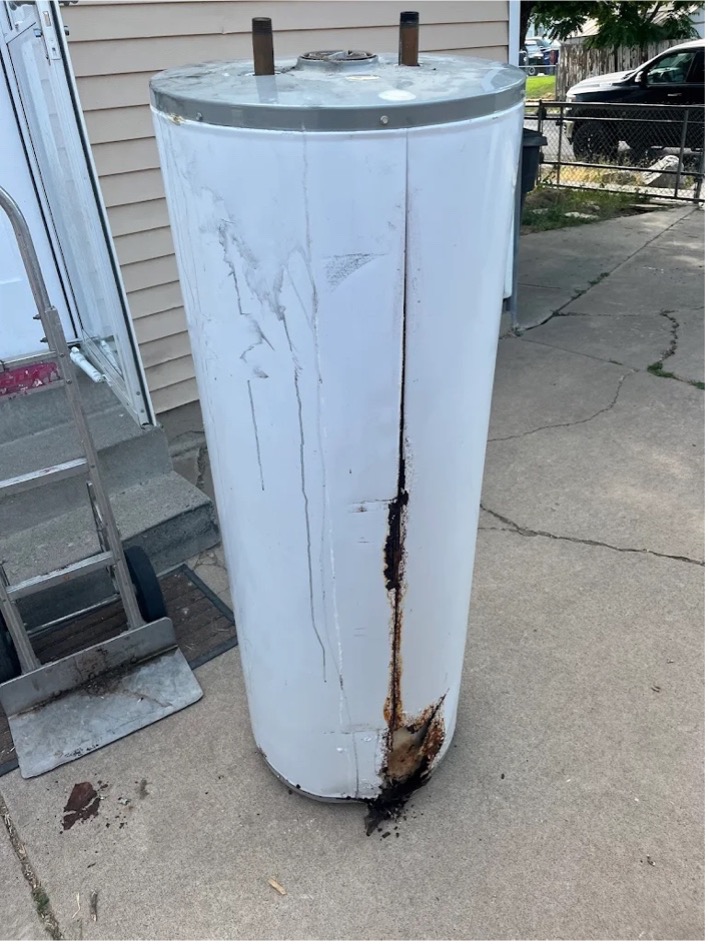
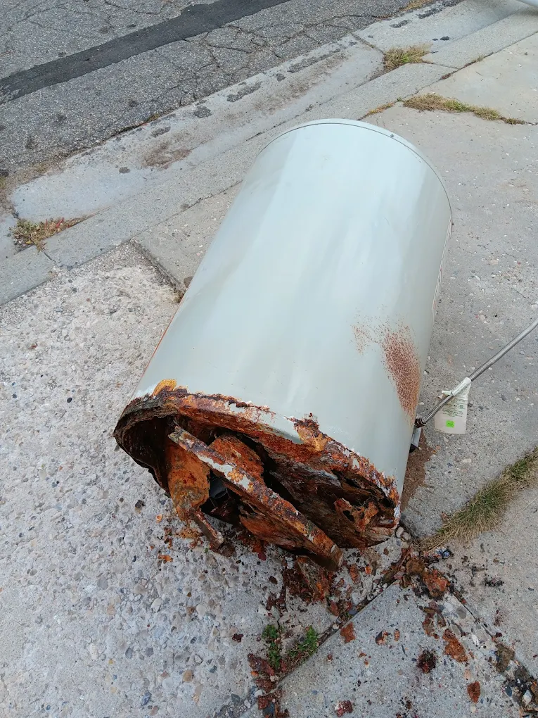
This is different from a small leak or a loose valve. A rupture means something inside the tank has failed—either the inner lining, the metal casing, or a pressure control system—and the result is a sudden, often messy, release of water that can cause significant damage to floors, drywall, and belongings.
For Utah homeowners—especially those with water heaters in finished basements or utility closets without floor drains—this can be a nightmare scenario. Water soaks into flooring, wicks up walls, and saturates insulation in minutes, and the damage can spread surprisingly fast.
That’s why understanding the causes and warning signs is so important.
Common Causes of Water Heater Ruptures
Water heaters don’t just randomly explode. Ruptures are almost always the result of a combination of time, everyday wear and tear, and often, a little neglect. Here are the most common causes:
1. The Salt Lake Valley's Arch Nemesis: Sediment Buildup
Here in Utah, we live with very hard water. This means our tap water is loaded with minerals like calcium and magnesium, which are great for our health but not so great for our plumbing. Over time, these minerals settle at the bottom of your water heater tank, forming a thick, stubborn layer of "scale" or sediment. This sediment acts like an insulator, forcing your heater to work much harder to warm the water, which puts immense stress on the tank lining. Eventually, this constant stress can lead to cracks, leaks, and severe corrosion from the inside out.
2. The Silent Killer: Corrosion and Rust
Your water heater has a sacrificial hero inside: an anode rod. This clever little rod is designed to attract corrosive particles, sacrificing itself to protect the steel tank from rust. But here’s the kicker: once that anode rod is worn out (typically after 3–5 years, especially with hard water), rust starts aggressively attacking the tank itself. Once corrosion eats through the metal wall, it’s only a matter of time before the tank fails.
3. Too Much Pressure in the Tank
Water expands when it’s heated. If the temperature and pressure (T&P) relief valve—a crucial safety device—is malfunctioning, or if your water temperature is set dangerously high, pressure inside the tank can build to unsafe levels. This can eventually lead to a rupture or, in rare cases, even a small explosion.
4. Old Age
Most traditional tank water heaters are built to last about 8 to 12 years. After that, internal parts naturally weaken, the tank walls can thin out, and the overall risk of failure skyrockets. If your water heater is approaching the 10-year mark, it’s definitely worth getting it professionally inspected, especially with our mineral-rich water affecting its lifespan.
5. Freezing Temperatures (Especially in Unheated Spaces)
If your water heater is located in an uninsulated garage, storage shed, or an unheated part of your basement, the brutal Utah winter nights can cause water inside the pipes or the tank itself to freeze and expand. And as we all know from science class, expanding ice can crack anything, including a metal water heater tank, leading to a rupture.
6. The Avoidable Culprit: Lack of Maintenance
Skipping annual maintenance tasks like flushing the tank, testing the relief valve, or replacing that vital anode rod? Unfortunately, neglect is one of the fastest ways to shorten the life of your water heater and invite a disaster. Just like getting the oil changed in your car, regular check-ups for your water heater are non-negotiable for longevity.
Warning Signs Before a Rupture Happens
Fortunately, water heater ruptures rarely happen without warning. Here are some red flags to watch for:
- Pooling water around the base of the heater
- Unusual noises, like popping, banging, or gurgling
- Rust-colored water coming from taps
- Inconsistent water temperatures (too hot or not hot enough)
- Visible corrosion on the tank exterior
- Bulging or warping in the tank body
If you see any of these signs, it’s time to call a plumber. These symptoms often mean your water heater is under stress—and may be close to failure.
How to Prevent a Water Heater Rupture
The good news? Ruptures are almost always preventable with regular maintenance and timely replacements. Here’s how to stay ahead of the problem:
- Flush Your Tank Annually
Especially important in Salt Lake City, where hard water accumulates quickly. Flushing removes sediment before it becomes a hardened layer that stresses your tank and heating element.
- Inspect and Replace the Anode Rod
Your tank’s best defense against rust. If the rod is more than 50% deteriorated, it’s time for a new one.
- Test the T&P Valve
This safety valve releases pressure if it gets too high. If it doesn’t release water when tested, replace it immediately.
- Check Thermostat Settings
Keep the water temperature at 120°F. Hotter than that, and you risk overheating, scale buildup, and unnecessary wear.
- Schedule Annual Inspections
Have a licensed plumber (like us!) inspect your tank, connections, and valves annually. We’ll catch small issues before they turn into major problems.
- Install a Leak Catch Pan or Detector
Especially in finished spaces, adding a catch pan or leak alarm can prevent major water damage by detecting leaks early.
What to Do If Your Water Heater Ruptures
If the worst happens and your water heater ruptures, don’t panic—follow these steps to minimize the damage:
- Shut Off the Water Supply: Turn the cold water shut-off valve on top of the tank to stop the flow.
- Shut Off the Power or Gas: For electric heaters, turn off the breaker. For gas, shut off the gas valve.
- Contain the Water: Use towels, buckets, or a wet/dry vac to control flooding as best you can.
- Call a Licensed Plumber: Contact Nearby Plumbing immediately for emergency assistance.
- Document the Damage: Take photos for insurance purposes, especially if furniture or flooring is affected.
For homes in Salt Lake City and surrounding areas, this can mean the difference between a quick fix and thousands of dollars in water damage repairs—especially if your unit is located in a finished basement or closet without a drain.
Protect Your Home with Nearby Plumbing
A water heater rupture is one of those plumbing emergencies that can go from zero to soaked in just minutes—but with the right care and attention, it’s totally preventable.
At Nearby Plumbing, we specialize in helping Utah homeowners maintain, repair, and replace their water heaters before disaster strikes. Whether your tank is leaking, aging, or making unusual noises, our licensed technicians will provide you with a clear and honest assessment—and handle everything from flushing to full replacement.
We proudly serve Salt Lake City and surrounding areas with prompt service, transparent pricing, and expert advice. Don’t wait until it bursts. Get peace of mind with Nearby Plumbing—your local partner in plumbing protection.
Master Plumbers Notes:
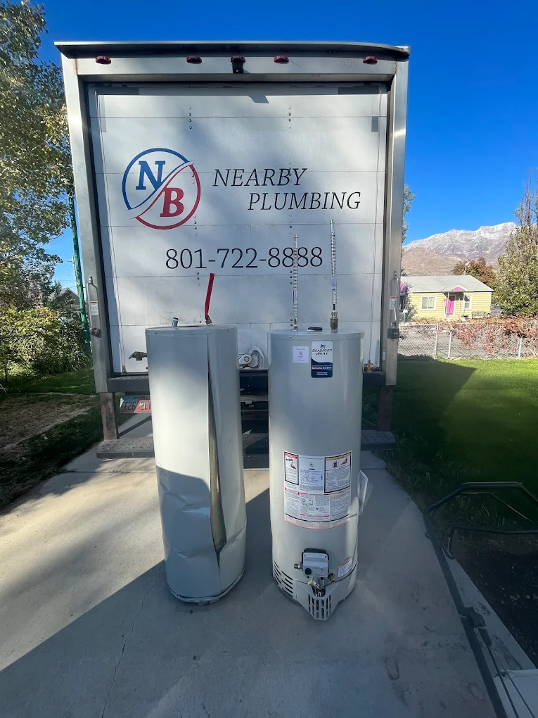
We have seen various types of ruptures in our career. One that comes to mind was a water heater that ruptured from high water pressure out of the top back of the reservoir while the homeowner was at work. When Nearby Plumbing got there, the water heater had sprayed like a high-pressure hose out of the back top of the water heater on the homeowner’s drywall and had cut a hole into the other room and soaked the kitchen as well. In other words, the water heater rupture shot through two rooms, destroying sheetrock and flooring in both. Thank you for existing homeowners insurance.
Here are some pics to show you what can happen: