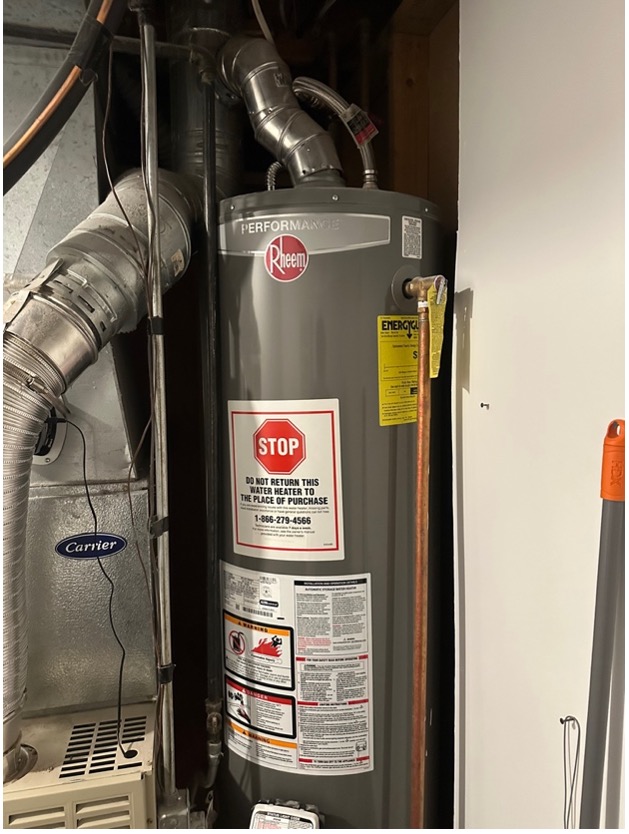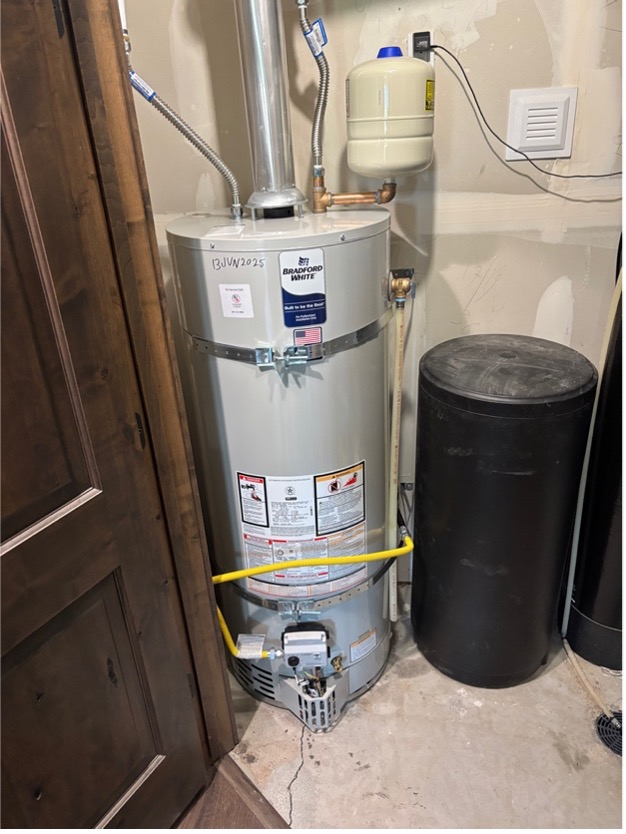
How old is your water heater? If you’re not sure, don’t worry—you’re not alone. Most homeowners don’t think about their water heater until it starts acting up… or gives out entirely. But just like your roof or furnace, your water heater has a life expectancy. Knowing what that lifespan is, and more importantly, how to extend it, can save you from those dreaded cold showers, avoid costly emergency replacements, and even protect your home from unexpected floods. Trust us, it’s far better to be proactive than to find yourself knee-deep in water on a Saturday morning!
In this post, we’ll cover the typical lifespan of water heaters, the factors that influence their lifespan, warning signs of wear and tear, and simple steps you can take to help yours last longer.
How Long Do Water Heaters Really Last?
First things first: not all water heaters are created equal, and neither are their lifespans. The type of system warming your water plays a huge role in how many years of faithful service you can expect.
Here’s a general breakdown of what you can typically expect, on average:
- Traditional Gas Tank Water Heater: These are workhorses for many homes, but typically last anywhere from 8 to 12 years. Their internal components, especially with the added heat from gas combustion, tend to wear a bit faster.
- Traditional Electric Tank Water Heater: Often found in homes where gas isn't available, these units generally have a slightly longer lifespan, usually around 10 to 15 years. They don't deal with combustion byproducts, which can be a small advantage.
- Tankless (On-Demand) Water Heater: These sleek, space-saving units are designed for longevity, often boasting a lifespan of 15 to 20 years, or even more. Because they only heat water as needed, they experience less wear and tear from constant heating cycles and sediment buildup.
- Heat Pump (Hybrid) Water Heater: These energy-efficient marvels typically fall in the middle, lasting about 13 to 15 years. Their heat pump components are durable, but like any mechanical system, they have a finite life.
These numbers are just averages. With proper care, some units may last longer. On the flip side, neglecting maintenance or living in an area with hard water (like most of Utah) can cause a unit to fail sooner.
That’s why understanding the factors behind water heater wear is just as important as knowing the type you own.
Factors That Affect Water Heater Lifespan
So, what really impacts how long your water heater will last? Here are a few big ones:
1. Water Quality
If you've lived in Salt Lake City or along the Wasatch Front for any length of time, you've probably noticed it: our water is hard. And we're not talking about its emotional state! It's loaded with dissolved minerals like calcium and magnesium, which are harmless to drink but can be a real headache for your plumbing.
These minerals are the arch-nemesis of your water heater. Over time, they settle at the bottom of your tank, creating a layer of sediment. This sediment acts like an insulating blanket over the heating element (or the bottom of the tank in gas models), forcing your heater to work harder and longer to heat the water. This extra strain not only wastes energy but also puts immense stress on the tank lining, eventually leading to corrosion, overheating, or even a catastrophic tank rupture. It's like running a marathon with a heavy backpack – eventually, something's going to give!
2. Household Size & Usage
The more people in your home, the more hot water you use—and the harder your heater has to work. A small tank trying to serve a large household may wear out much faster than one properly matched to your needs.
3. Maintenance Routine
Skipping annual maintenance tasks, such as flushing the tank or checking the pressure relief valve, is one of the fastest ways to shorten your water heater’s lifespan. Regular care helps you catch minor issues before they become significant problems.
4. Installation Quality
Even the best, most expensive water heater can have a shortened lifespan if it wasn't installed correctly from the get-go. If the unit is too small or too large for your home's needs, if the venting isn't right, or if the connections aren't perfect, it can strain to meet demand or wear out prematurely. This is precisely why professional, licensed installation by a trusted plumber truly matters. It sets your water heater up for success right from day one.
5. Unit Location
Consider where your water heater calls home. If it’s tucked away in a cold, uninsulated garage or an unheated part of your basement (especially common in older Salt Lake City homes), it has to work significantly harder to keep the water warm during Utah's chilly winters. That constant struggle and extra energy expenditure can reduce its overall lifespan. Insulating nearby pipes and ensuring the area isn't exposed to extreme cold can actually help prolong its life.
Signs Your Water Heater Is Nearing the End
Wondering if your water heater is quietly (or not so quietly) heading for retirement? Here are some classic tell-tale signs that it's getting close to waving the white flag. Pay attention to these, and you might just dodge a major plumbing disaster!
- Inconsistent hot water: You used to enjoy long showers, but now the heat fades fast.
- Rusty or discolored water: A sign that the inside of the tank is corroding.
- Odd noises: Popping, banging, or rumbling sounds often mean sediment buildup.
- Leaks or puddles: Even a small drip can lead to a major rupture.
- Higher energy bills: Older heaters lose efficiency, especially when working through scale buildup.
- It’s over 10 years old: If your unit is creeping toward its second decade, it's time to start planning.
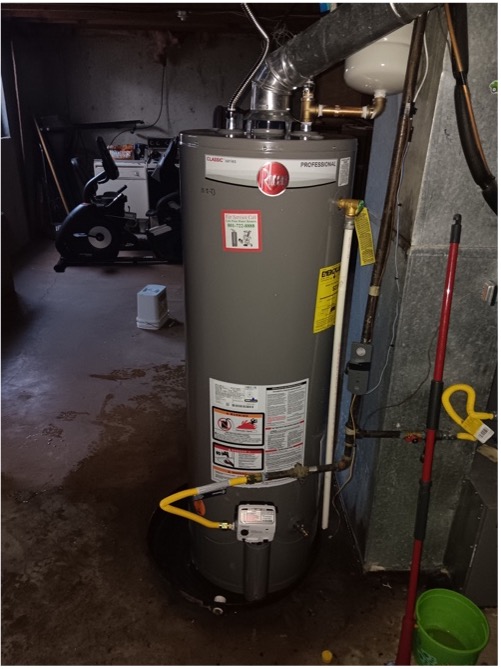
Want to check the age of your water heater? Look for the serial number on the label—it usually contains the manufacture date.
How to Extend the Life of Your Water Heater
Here’s the truly good news: with the right, consistent care, your water heater can often outlast those average lifespan estimates! These relatively simple tips can help keep your hot water flowing strong and safely for many extra years, saving you money and headaches in the long run:
Flush the Tank Annually
Draining and flushing removes sediment that settles at the bottom of the tank. This is especially important in Utah’s mineral-rich water systems. Do it at least once a year—twice if your water is very hard.
Replace the Anode Rod
This sacrificial rod attracts corrosive elements in your water so your tank doesn’t rust. It should be checked every 2–3 years and replaced when more than half worn.
Test the T&P Valve
The temperature and pressure relief valve is your water heater’s safety feature. It prevents over-pressurization. If it doesn’t release water when lifted, it needs replacement.
Set the Thermostat to 120°F
This is the recommended setting for safe, efficient water heating. Hotter than that can damage the tank, scald your skin, and cost you more in energy.
Use a Water Softener
If you live in Salt Lake County, chances are your water is hard. Installing a whole-home water softener can significantly reduce mineral deposits throughout your entire plumbing system – not just your water heater. This protects all your appliances that use water and makes cleaning easier too!
Schedule Regular Professional Checkups
Just like you see a mechanic for your car, your water heater needs a professional eye from time to time. Nearby Plumbing offers water heater tune-ups and inspections that catch small problems before they become big headaches.
Repair or Replace: How to Decide
When your water heater starts acting up, you're faced with that classic dilemma: should I repair it and squeeze out a few more years, or is it time to bite the bullet and replace it? Here’s how to weigh your options:
When a Repair Makes Sense:
- The unit is relatively young: Generally, if your water heater is under 8 years old, a repair is often the more cost-effective choice.
- The issue is small and specific: If it's a known component failure like a faulty thermostat, a single heating element, or a leaky drain valve, these are usually straightforward and affordable fixes.
- No signs of tank degradation: Crucially, there should be no signs of internal rust, widespread leaks from the tank itself, or severe sediment overload. If the tank is compromised, a repair is just a band-aid.
When Replacement Is the Smarter Choice:
- The unit is 10+ years old: Once your water heater hits this age, its components are aging, and the risk of recurring problems (and higher repair costs) increases exponentially. You're entering the "danger zone."
- You've needed multiple repairs in a short period: If you're constantly calling the plumber for different issues, it's a sign that the unit is reaching the end of its functional life. Those repair costs will quickly add up to the cost of a new unit.
- You see visible corrosion or tank damage: Any sign of rust on the exterior of the tank, or a leak coming from the tank itself, means the internal lining has failed. This is not repairable, and replacement is your only safe option.
- You're constantly running out of hot water: If your family has grown or your hot water demands have increased, your old unit might simply be undersized. A new, properly sized unit will dramatically improve your daily comfort.
Sometimes, putting money into an aging water heater is just delaying the inevitable—and increasing the risk of a rupture or flood. A new unit can also save you money on energy bills over time.
Not sure what’s best for your situation? Nearby Plumbing can assess your unit and give you honest, pressure-free advice on whether repair or replacement makes more sense.
Get the Most from Your Water Heater with Nearby Plumbing
Your water heater may be out of sight, but it shouldn’t be out of mind—especially when it comes to avoiding unexpected repairs or water damage.
Whether you’re unsure how old your system is, need a routine checkup, or want to upgrade to something more efficient, the licensed pros at Nearby Plumbing are here to help. We serve Salt Lake City and nearby communities, offering transparent pricing, fast response times, and expert service tailored to your home’s needs.
Let’s keep the hot water flowing—and the emergencies at bay.
Master Plumber's Notes:
As of this writing 7/22, Nearby Plumbing is still currently seeing a small percentage of water heaters from the late 90’s holding strong in some homeowners’ houses. It seems like some of the water heaters built by Rheem and Bradford White in the 90’s and early 2000’s are still holding strong. If you have some of these very old water heaters that function properly and are not leaking, let them live out their old life! The older water heaters seem to be built with a little extra love.
During the late 00’s, it seems like something changed in the manufacturing process for Rheem and Bradford White that has caused the water heaters to sometimes not last as long as their predecessors. Currently, we are seeing an average lifespan of 6-8 years for water heaters without a water softener and 8-10 years average lifespan of a water heater with a water softener.