
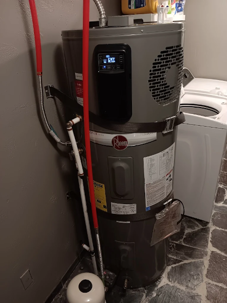
Let’s be honest—nobody thinks about their water heater until something goes wrong. Whether it’s a freezing cold shower, skyrocketing utility bills, or a rusty tank on its last leg, a failing water heater is a problem that demands quick action. But what if your next water heater wasn’t just a replacement… but an upgrade?
Heat pump water heaters are gaining popularity among homeowners across Utah, and for good reason. They're super efficient, better for the environment, and can significantly reduce your electric bill. If you're scratching your head wondering what they are, don't worry – you're not alone. Most of us are still using traditional gas or electric tanks simply because we haven't been introduced to a smarter option.
This guide will walk you through everything you need to know about heat pump water heaters: how they work, how much they cost, how much they can save you, and whether one might be right for your home.
What Is a Heat Pump Water Heater? (The Simplified Science)
A heat pump water heater (also called a hybrid water heater) is a newer, smarter way to heat your home’s water—without cranking up your electric bill.
So, how does it work?
Instead of using electricity to directly heat water (like those traditional electric giants), a heat pump actually pulls warmth from the surrounding air and moves it into your water tank. It’s a lot like how your refrigerator works—but in reverse. While your fridge takes heat out of the inside and pushes it into your kitchen, a heat pump water heater pulls heat from the air around it and sends it into your water tank.
Here’s the simplified step-by-step:
- The unit pulls in warm air from the room (like a utility room or basement).
- That warm air passes over evaporator coils containing refrigerant.
- The refrigerant absorbs the heat, compresses it, and transfers it to the water in the tank.
- The result? Hot water—using far less electricity than a standard electric heater.
Most heat pump water heaters also have backup electric heating elements, which activate when hot water demand is high or when the air around the unit is too cold. That’s why they’re often called hybrid water heaters—they give you the best of both worlds.

Benefits of a Heat Pump Water Heater
If you're someone who loves saving money, hates wasting energy, or wants to make your home more eco-conscious, a heat pump water heater is definitely worth a look.
1. Major Energy Savings
A heat pump water heater can be 2 to 3 times more efficient than a traditional electric water heater. That means you're using significantly less power to get the same hot water for showers, laundry, and dishes. Over time, especially with Salt Lake City's energy costs, those savings really add up on your utility bill. Imagine what you could do with an extra few hundred bucks a year!
2. Smaller Carbon Footprint
Because these heaters use less electricity, they also cut down on your home’s carbon emissions. If you’re like many of us in Utah who appreciate our beautiful mountains and clean air, this is a tangible step toward greener living that doesn’t require you to sacrifice comfort. Every little bit helps keep our skies clear!
3. Eligible for Awesome Rebates & Tax Credits
This is where it gets even better for your wallet! Heat pump water heaters often qualify for local utility rebates and federal tax incentives. These can significantly reduce the upfront cost, making the switch much more affordable.
4. Quiet & Clean Operation
These units are designed to run quietly – think of a gentle hum, similar to your refrigerator. Most people barely notice them! Additionally, they can help dehumidify the air in your utility room or basement. That’s a nice bonus, especially during our more humid summer months.
5. Longer Lifespan
On average, a heat pump water heater can last 13–15 years when properly maintained. That’s generally longer than the 8–12 years you might get from traditional tank models, giving you more peace of mind and better long-term value.
How Much Can You Save?
Let’s get down to what really matters for most homeowners: What’s the return on investment?
According to the U.S. Department of Energy, the average homeowner can save around $300 per year by switching from a standard electric water heater to a heat pump model. That means in just a few years, the unit can pay for itself in energy savings alone.
And if you’re replacing an aging unit, now’s the perfect time to act. Between rebates, incentives, and lower monthly bills, your wallet will thank you.
What to Consider When Choosing a Heat Pump Water Heater
While heat pump water heaters are fantastic, they’re not for every home. Here are a few important things to keep in mind before making the switch:
1. Space Requirements
These units need a bit more "breathing room" than a traditional tank. Ideally, they should be installed in a space with at least 700–1,000 cubic feet of air, such as a basement, a dedicated utility room, or an attached garage. That open space allows them to pull heat from the air efficiently.
2. Ambient Temperature
Because they pull heat from the surrounding air, heat pump water heaters work best in moderate climates or areas of your home with stable temperatures. While they can operate in cooler environments, their efficiency might dip slightly in rooms that consistently stay below 50°F. Your chilly, uninsulated shed might not be the best spot, but a typical Salt Lake City basement is usually perfect!
3. Upfront Cost
Yes, they do generally cost more upfront than basic tank models. However, remember that those amazing rebates and significant long-term energy savings often offset the higher price. Think of it less as an expense and more as a wise investment in comfort and drastically lower energy bills.
4. Noise Level
As mentioned, they produce a gentle humming sound when running, similar to the sound of a refrigerator. Most people barely notice it, but it’s something to consider if you're thinking of placing it right next to a quiet living space.
5. Your Current System
If you're currently using a gas water heater and switching to an electric heat pump model, some electrical upgrades might be needed (like a 240V outlet). Don't sweat it – Nearby Plumbing can evaluate your current system and let you know exactly what’s required during the consultation.
Installation and Maintenance
Installing a heat pump water heater isn’t a DIY weekend project—it requires a trained eye, proper setup, and safe connections. That’s where Nearby Plumbing comes in.
Here’s what professional installation with us involves:
- Safely disconnect and remove your old water heater.
- Ensuring proper electrical connections (yes, that 240V outlet is important!).
- Setting up condensate drainage to handle the moisture removal (just like your AC unit).
- Providing proper clearance for optimal airflow and easy access for future maintenance.
- Thorough testing for leaks, thermostat calibration, and overall system safety.
Our licensed team makes the process seamless and fast. Most installations can be completed within a day, and we’ll walk you through how to use and maintain your new system.
Routine Maintenance Tips:
- Clean the air filter every few months (super simple and takes 2 minutes)
- Flush the tank once a year to prevent sediment buildup
- Schedule annual checkups to keep things running smoothly
Nearby Plumbing offers affordable tune-up packages and priority maintenance plans to keep your water heater efficient and worry-free.
Let Nearby Plumbing Help You Go Hybrid
If your water heater is due for replacement—or you’re just ready to stop throwing money at your energy bill—a heat pump water heater could be the smartest home upgrade you make this year.
It's incredibly efficient, eco-friendly, and surprisingly easy to maintain. And with potential savings of hundreds of dollars per year, plus those attractive local rebates and incentives, the long-term value is truly hard to beat for Salt Lake City homeowners.
At Nearby Plumbing, we make the transition simple. We’re proud to serve Salt Lake City and surrounding areas with expert advice, fast installations, and personalized service. We’ll assess your home, recommend the right system, and handle everything from permits to installation and cleanup.
Master Plumbers Notes:
Heat Pump Water Heaters are great for homes that have solar panels. These models are highly efficient and use electricity to heat the water. If you are using solar panels with this model, you can save a lot of money on your energy bill! Currently, there are rebates on these models that you can get to save thousands of dollars; however, the tax rebates are set to expire Dec. 2025.