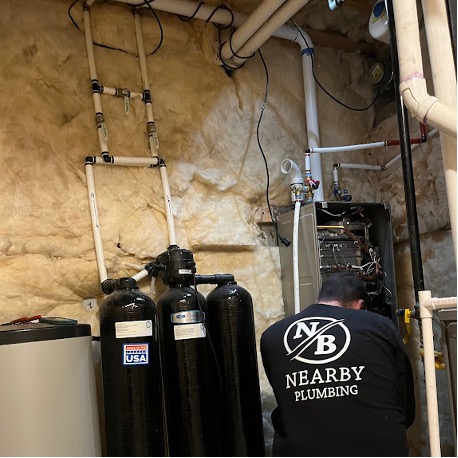
Ever jump into a shower, only to have it turn arctic mid-lather because someone else just flushed the toilet or started the dishwasher? We've all been there. It's a common complaint, and it often points to one of the biggest energy guzzlers in most American homes: the traditional water heater.
Yup, that big, bulky tank usually parked in your basement or garage accounts for a surprising 13% of your household energy use. Here in Salt Lake City and the surrounding areas, where winter ground-water temperatures can dip into the low 40s°F, efficient hot water isn't just a luxury – it's a year-round necessity.
If you're tired of the "hot water roulette" and are considering an upgrade, you've probably heard whispers about tankless water heaters. But what exactly are they, and are they truly the hot water heroes they're made out to be? Let's dive in and demystify these modern marvels!
1. How Tankless Water Heaters Work
Think of a tankless water heater as a coffee maker for your plumbing. When you turn on a hot-water tap, cold water flows through a compact box on the wall. Inside, a powerful burner (gas) or heating coil (electric) jumps into action, warming the water as it passes through. The moment you close the tap, the flame or coil rests.
Inside the slim metal box on your wall, three things happen the instant you twist a hot-water tap:
- Flow sensor wakes up. It feels water moving through the pipes and sends a “Go!” signal.
- Burner or heating coil kicks in. Gas units spark a flame around a heat exchanger; electric units energize a super-efficient coil.
- Water races through, warms up, and heads to your faucet. When you shut the tap, everything powers down and waits for the next call.
That’s all there is to “how a tankless water heater works.” No storage tank, no standby heat loss, no endless reheating of the same water.
Pro tip: When you chat with your plumber about sizing, describe your busiest day, not your average day. If your home turns into a hostel during the holidays, mention it! The right capacity prevents lukewarm surprises.
2. Everyday Perks You'll Absolutely Love
Beyond the technical wizardry, a tankless water heater brings some genuinely delightful changes to your daily routine:
- Endless Hot Water (Seriously!): Ever dream of a shower that just keeps going? Or a deep soaking tub that fills up without turning cold halfway through? With a tankless unit, the hot water stream keeps coming for as long as you need it. It's like having a magic faucet that never says, "That's all, folks!"
- Kinder to Your Wallet (and the Planet): Because your heater "snoozes" between uses, you're not constantly paying to keep 40 or 50 gallons steaming in the basement. Many homeowners notice their gas or electric bills start to "drift down" without changing a single habit. Less energy waste equals lower utility bills – win-win!
- Reclaim Your Space: Swap that bulky, floor-hogging cylinder for a sleek, wall-mounted rectangle. Suddenly, you've got extra closet space, a tidy nook for cleaning supplies, or even a clever wine rack where your old tank used to be. It's amazing what you can do with a little extra room!
- Built to Last (and Last, and Last!): A tankless heat exchanger isn't constantly submerged in hot water, which drastically slows down corrosion. With a little routine care (we'll get to that!), these units often provide 20 years or more of reliable service. That's double the lifespan of many traditional tanks!
- A Cleaner, Worry-Free Vibe: Say goodbye to rusty tank rings, overflow pans, and those nagging worries about a catastrophic puddle in the middle of the night. Tankless units are generally cleaner and less prone to water damage.
Pro Tip for Instant Hot Water: Consider pairing your tankless heater with a small recirculation pump (many brands even have one built in!). Hit a button by your sink (or use a handy app!), and hot water arrives almost instantly, saving you time and preventing wasted water while you wait for warmup.
3. Tankless vs. Traditional: A Quick Look
Let's lay it all out there. Here's how tankless water heaters stack up against their traditional, storage-tank cousins:
Feature | Tankless Water Heater | Storage Tank Heater |
Hot Water Supply | Practically endless | Limited to tank size |
Energy Use | Fires only when you use hot water | Keeps water hot 24/7 |
Footprint | Wall-mounted, compact | Bulky floor unit |
Upfront Cost | Higher | Lower |
Maintenance | Annual flush recommended | Less frequent, but tank may rust/corrode |
Typical Lifespan | 20+ years | 8–12 years |
Biggest Tankless "Pro": Absolute freedom from the dreaded "who-used-all-the-hot-water?!" blame game. Your family peace will thank you!
Biggest Tankless "Con": You'll notice a larger initial invoice. This covers the cost of the advanced burner or coil, special venting for gas models, and any necessary tweaks to your power or gas lines. However, many homeowners find the long-term savings and incredible comfort make it an investment truly worth the leap.
4. What Happens During Professional Installation?
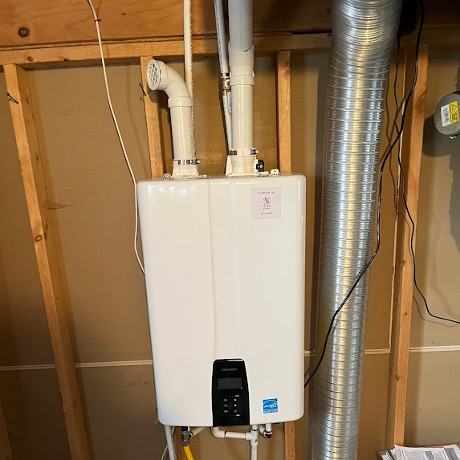
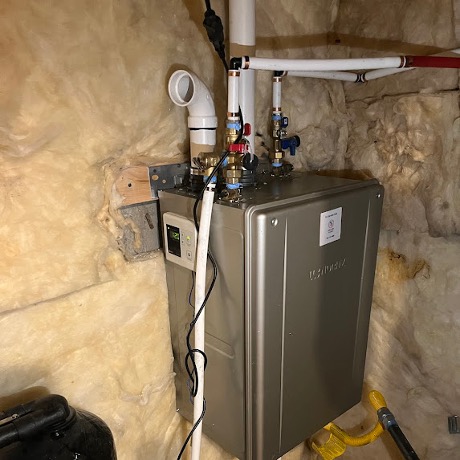
Installing a tankless unit is definitely more of a "mini-remodel" than a simple "plug-and-play." It's a job best left to a licensed professional, and you should set aside about half a day for the process.
Here's a peek at what your installer will do:
- Sizing & Perfect Placement: Your expert will first count bathrooms, check appliance flow rates, and choose a capacity that perfectly matches your home's busiest hot water hour. They'll also pick an ideal wall location with easy access to venting (for gas models) or your main electrical panel (for electric).
- Fuel or Power Adjustments:
- Gas models might need a slightly wider gas line to ensure the burner can "roar" powerfully when every tap is on.
- Electric models can draw serious amperage, so sometimes your electrical panel will need an extra breaker or two to handle the load.
- Mounting & Plumbing Magic: The new heater is securely mounted on sturdy brackets. Water lines are cleverly rerouted through handy isolation valves (which are fantastic for future service!). On gas units, fresh-air intake and exhaust vents are quietly installed through the roof or sidewall.
- The Grand Finale & Quick Lesson: Your pro will purge any air from the system, dial in your target temperature (most folks are happy around 120°F), and show you the control panel or phone app. Many brands even text you error codes, so you and your plumber can troubleshoot from afar – pretty neat, right?
Pro Tip: Ask About Rebates! During your estimate, don't forget to ask if any local rebates cover high-efficiency water heater installation. Utility companies often reward homeowners who make upgrades that cut energy demand. It could save you a good chunk of change!
5. Keep It Humming: Routine Maintenance for 20+ Years of Hot Water
Think of maintaining a tankless heater like caring for a fancy espresso machine – small, regular actions keep it running smoothly and efficiently for years.
- The Annual Flush: This is the VIP of tankless maintenance. You (or your plumber) will hook up two short hoses, circulate white vinegar or a specialized descaler solution, and rinse away any mineral buildup. Here in Utah's famously hard water, this step is absolutely gold for preventing scale and keeping efficiency high.
- Air Intake & Vent Check: A quick vacuum around the intake screen stops "dust bunnies" from robbing your unit of precious combustion air. Easy peasy!
- Water Softening/Setup: If you notice that soap refuses to lather well in your house, you might have hard water. Consider a water softener or a small in-line scale filter. Your heater's internal components will absolutely thank you for it!
- Pro Inspection Every Few Years: It's a great idea to have a technician from Nearby Plumbing pop the cover every few years. They can inspect the burner flame or coil connections and even update firmware in under an hour. Peace of mind, unlocked!
Real-World Reminder: To make maintenance easy to remember, mark "tankless flush" on your calendar for the same day you swap out your smoke-detector batteries. One quick ritual, two happy, well-maintained appliances!
6. Quick Checklist: Is Going Tankless Your Next Smart Move?
Alright, let's see if a tankless water heater is the perfect fit for your home. Tick these boxes if they sound like you:
- You're tired of running out of hot water – especially when you need it most!
- Space is tight, and you'd love to reclaim a closet or floor area.
- You're ready to invest upfront for significant long-term energy savings.
- Your household uses a moderate to high volume of hot water (think multiple showers, a big tub, lots of laundry).
- Your gas line or electrical panel can support the necessary upgrade.
- You're comfortable with simple, yearly maintenance to keep things humming.
If most of these boxes are ticked, then a tankless water heater could truly be a game-changer for your home comfort and utility bills.
Ready to Experience Endless Hot Water?
When you’re ready to chat options, Nearby Plumbing is here with friendly advice, code-compliant plumbing services, and expert water heater installation across Salt Lake City and surrounding areas. We size the unit to your lifestyle, handle permits, and set up a maintenance reminder so you never worry about scale or error lights.
Give us a call today and let's get you on the path to limitless hot water!